Part 135 air carrier
The only legal pathway to carry medical cargo for compensation beyond visual line of sight. Small-UAS rules (Part 107) prohibit hazmat outright — no waiver exists. This bar is the moat.
Building Southern California's autonomous medical logistics network
Autonomous VTOL drones moving blood, specimens, and emergency supplies facility to facility — hospital to lab, hub to clinic — past every red light, over every traffic jam.
Why Bulbul exists
In healthcare that delay isn't an inconvenience — it's a diagnostic failure. Specimens degrade. Diagnoses slip. Patients wait. Bulbul was built to eliminate those 33 minutes entirely.
How it works
Via the web dashboard or an HL7 FHIR-compatible API — the systems your hospital already runs.
The nearest drone is loaded, pre-flight checked, and dispatched automatically.
Optimal route planned in under 5 seconds — weather, airspace, and mission priority.
Precision drop from hover via the patent-filed multi-package winch. No landing zone needed.
Real-time tracking and digital chain-of-custody to the requestor. Full audit trail.
Compliance & safety
Bulbul's engineering roots are in commercial aviation safety and quality assurance. Moving medical cargo by air is a regulated activity twice over — aviation law and dangerous-goods law — and we treat both as the product, not the paperwork.
The only legal pathway to carry medical cargo for compensation beyond visual line of sight. Small-UAS rules (Part 107) prohibit hazmat outright — no waiver exists. This bar is the moat.
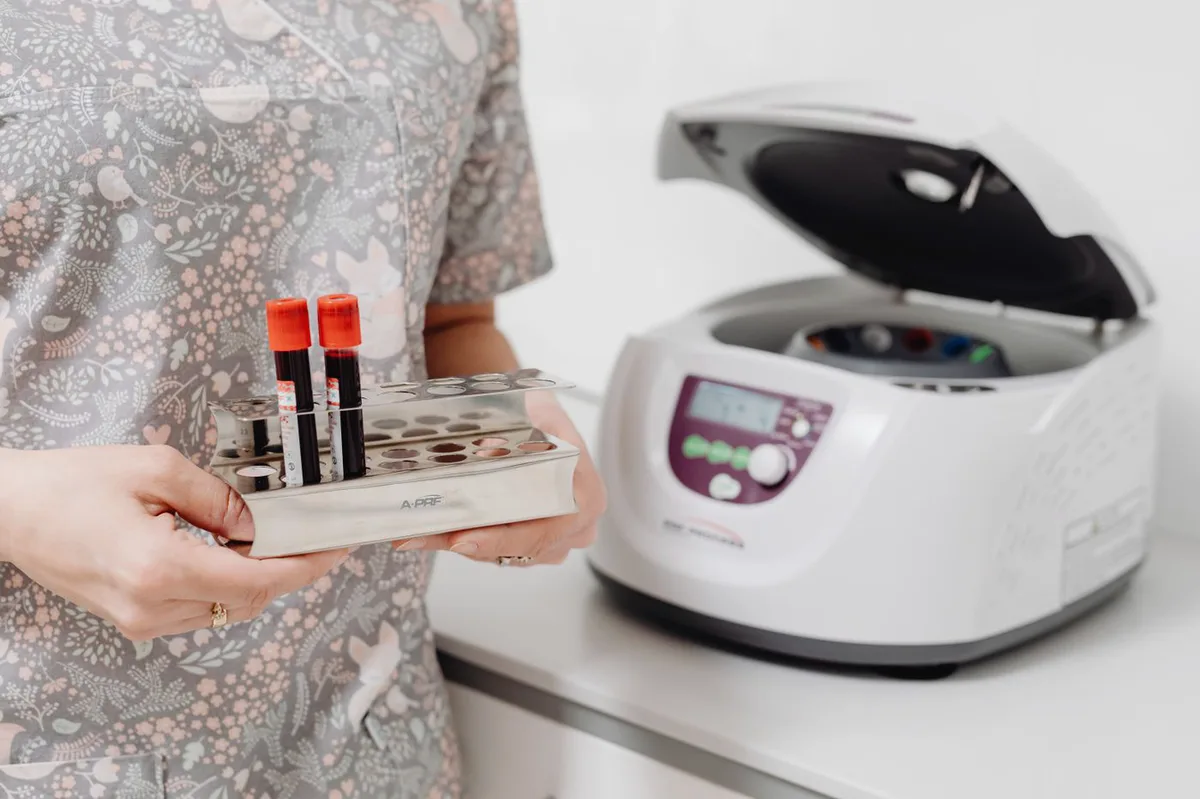
Blood and specimens are regulated dangerous goods. Triple packaging, quantity limits, and handling to 49 CFR 173.199 on every mission.
Temperature-controlled payload bays with monitoring across the full flight profile — because a fast sample that hemolyzed in transit is worthless to the lab.
An FAA-approved hazmat training program covering every person who touches a package — required of Part 135 carriers, embraced as culture.
Cryptographic custody records from pickup to drop, built for laboratory accessioning and audit.
Fail-safe protocols: obstacle detection, in-flight rerouting, precision landing, and real-time return-to-home.
Use cases
When the sample is degrading, the pharmacy is 40 miles away, or ground EMS is eight minutes out — minutes are the product.
Clinic-to-hospital lab runs with cold-chain integrity and precision winch drop — no ground traffic, no couriers, no delays.
Defibrillators, trauma kits, and emergency medications on scene before ground EMS arrives. Every second matters in cardiac arrest.
Last-mile prescriptions to rural and underserved communities — reaching patients who can't reach pharmacies.
When wildfire or flood cuts off ground access, the autonomous network keeps operating — supplies into evacuation zones.
Hospital-to-hospital transfer of IV fluids, vaccines, and blood products with redundant safety systems and a digital audit trail.
Scheduled micro-deliveries that make resupply economically viable for FQHCs and rural clinics.
The platform
Proof & progress
Hospitals and partners deserve to know exactly what's flown and what's ahead. Every claim on this page carries one of three labels.
The people
Serial entrepreneur, 20+ years building businesses. Drives strategy, partnerships, and expansion.
Aerospace engineer from commercial aviation safety & QA. Inventor of ADFP™ and AeroCore™ — 3 patents filed.
Two ways in
FAA Part 135 pathway · UN3373 handling · Advisors from Kaiser Permanente, FedEx & Embry-Riddle
Bring facility-to-facility drone logistics to your network. No setup fee — first 90 days on us.
Request a PilotWe're building the autonomy stack for medical logistics — and we show our progress plainly.
Start a conversation